Should you climb Kilimanjaro, or do a wildlife safari? Or both? A practical guide to the tradeoffs - time, cost, experience, and which trip is right for you.
The most common question we get from first-time visitors to East Africa: should I climb Kilimanjaro, or do a wildlife safari? They're often framed as competing options, but they're really very different experiences. Here's how to choose.
What each trip actually is
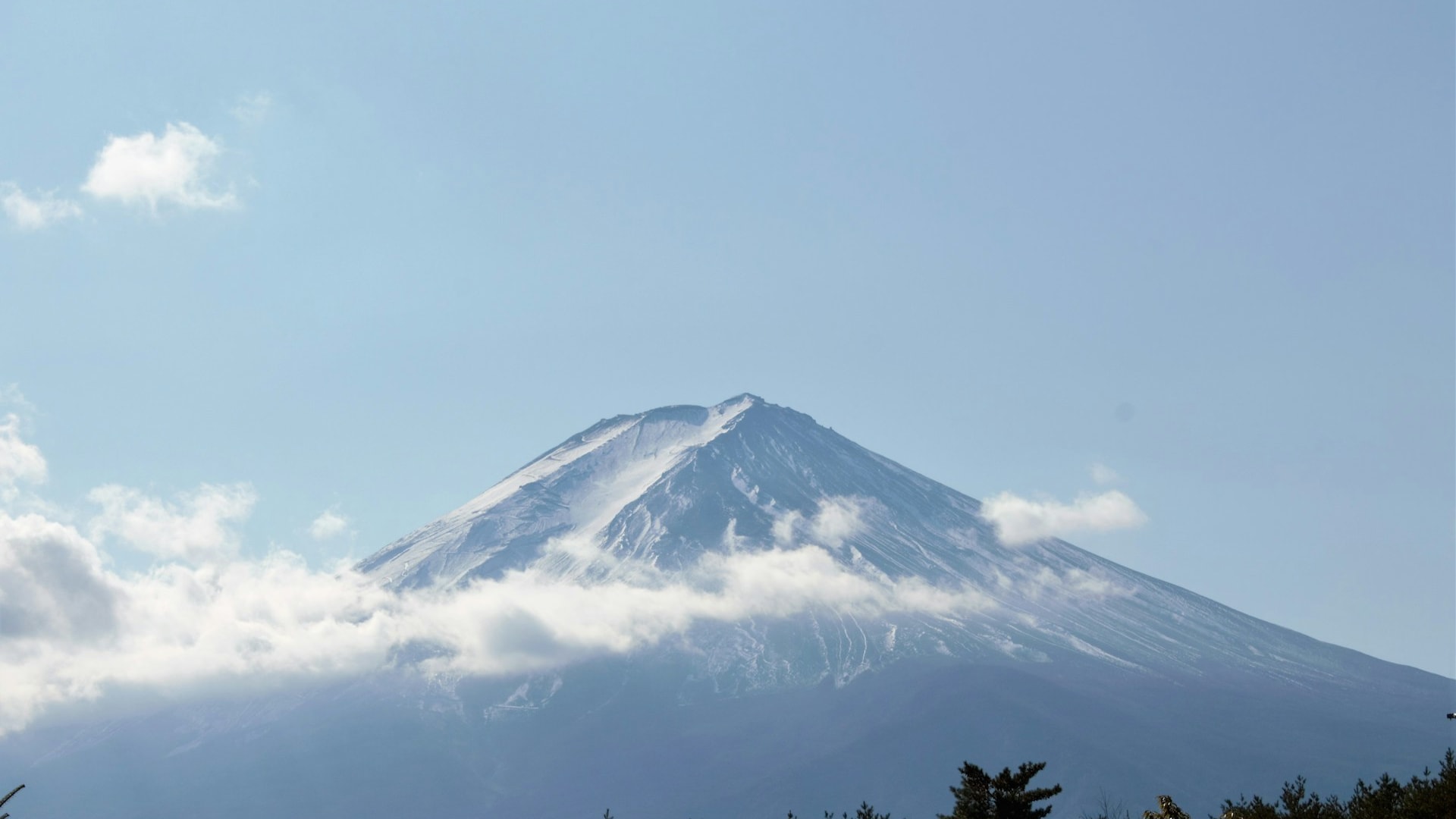
Kilimanjaro is a mountain climb. You'll spend 6 to 9 days on the mountain, walking slowly to allow your body to acclimatize to the altitude. The goal is the summit at 5,895m. You don't see much wildlife on the climb itself (except in the rainforest zone on the first day). You do see the most dramatic landscape on the continent - five distinct climate zones, glaciated summit, sunrise above the clouds.
A wildlife safari (focused in Tanzania's premier parks like the Serengeti, the Ngorongoro Crater, and Tarangire) is a wildlife trip. You'll spend 5 to 10 days in safari vehicles, looking for lions, leopards, elephants, cheetahs, giraffes, zebras, wildebeest. The landscape is the backdrop; the animals are the point.
Both are spectacular. They don't compete.
The time and cost tradeoffs
Kilimanjaro - 7 to 10 days for the climb alone, plus 1 to 2 days for travel and recovery. Cost is $2,500 to $4,500 per person for the climb, depending on the route and the operator. The climb is physically demanding and the success rate is 65–95% depending on the route and the acclimatization schedule.
A wildlife safari - 6 to 10 days for a comprehensive northern-circuit trip, including travel. Cost is $4,500 to $8,500 per person for a private trip with mid-range to luxury lodges. The physical demand is minimal (you're in a vehicle for most of the day).
Both - 12 to 16 days is the typical combined trip. You climb Kilimanjaro, recover for a day, then head to the safari. Cost is $7,500 to $12,000 per person for a combined trip with mid-range to luxury accommodation. Most of our clients who can spare the time combine them.
Who Kilimanjaro is for
You should climb Kilimanjaro if:
- You've always wanted to stand on the highest point in Africa
- You're reasonably fit (you don't need to be an athlete, but a few months of regular cardio helps)
- You can spare 8 to 12 days, including travel
- You're prepared for the altitude - the climb is achievable, but it's not trivial
- You're OK with the possibility of not making the summit (about 5–15% of climbers turn back, depending on the route and the weather)
The climbs we recommend most are the 7-day Machame, the 8-day Lemosho, and the 7-day Rongai. We don't recommend the 5 or 6-day Marangu unless time is tight - the lower success rate isn't worth the time saved.
Who a wildlife safari is for
You should do a safari if:
- Wildlife and landscapes are your main interest
- You want to see the Great Migration (timed to July to October for the crossings)
- You have 6 to 10 days, or you want to combine with Zanzibar
- You'd rather be in a vehicle than on a mountain
- You want to bring kids or non-hiking partners
The trip we recommend most is the 7 to 10 day northern circuit - Tarangire, the Serengeti, the Ngorongoro Crater, often with a night or two at Tarangire or Lake Manyara. Add a Zanzibar extension for 4 to 6 days and you have a 10 to 14 day Tanzania trip that covers the major experiences.
Who should do both
If you can spare 12 to 16 days, and you have the budget, do both. The order matters less than the time available. We usually recommend:
- Kilimanjaro first, safari second - you climb, you recover, you go on safari. Best if you want the climb to be the main event.
- Safari first, Kilimanjaro second - you acclimatize gradually as you move from the lower-altitude parks to the mountain. Easier on the body, but you'll be thinking about wildlife when you should be thinking about altitude.
For the combined trip, we recommend the 8-day Lemosho (best acclimatization) followed by a 6 to 7 day northern-circuit safari. Optional: add a Zanzibar extension at the end.
A few common misconceptions
"Safaris are only about driving." Not necessarily. While most game viewing is from a vehicle, many areas offer walking safaris, night drives, and canopy walks. The variety in parks like Tarangire, Ngorongoro, and Serengeti keeps the experience diverse.
"Kilimanjaro is dangerous." It's safer than most people think. About 10 climbers die on Kilimanjaro per year (out of 35,000+ attempts), almost all from altitude-related illness. The key is to go with a reputable operator, follow the acclimatization schedule, and turn back if you feel genuinely unwell.
"You can do Kilimanjaro in 5 days." You can, but the success rate drops to about 65% (vs 90%+ on a 7 or 8 day route). The extra days are for acclimatization, and they make the difference.
The bottom line
If you have to choose, pick the one that excites you more - and be honest with yourself about what you enjoy. If you like walking, mountains, and physical challenges, Kilimanjaro. If you like wildlife, photography, and slow days in the bush, a safari.
If you can do both, do both. Most of our clients who combine them say the safari was the surprise highlight - they expected to enjoy Kilimanjaro, but the days in the Serengeti were even more memorable.
If you want help building a Kilimanjaro trip, a safari, or a combined itinerary, get in touch and we'll send a draft.
Tagged