Serengeti National Park
Tanzania's most iconic park - 14,763 km² of open savannah hosting the Great Migration, an estimated 1.5 million wildebeest, 300,000 zebra, and one of the densest populations of large predators on Earth.
OVERVIEW
About Serengeti National Park
Tanzania's most iconic park - 14,763 km² of open savannah hosting the Great Migration, an estimated 1.5 million wildebeest, 300,000 zebra, and one of the densest populations of large predators on Earth.
The Serengeti is the park that defines safari in the minds of most travelers - and for good reason. Translated from the Maasai word siringet ("endless plains"), the Serengeti covers nearly 15,000 km² of open grassland, acacia woodland, and riverine forest stretching across northern Tanzania. Its sheer scale, abundance of wildlife, and the drama of the Great Migration make it the single most-visited park in the country.
The southern plains - the so-called Ndutu area - are the setting for one of nature's most moving events: the calving of around 500,000 wildebeest calves between January and February. Predators shadow the herds, and the short-grass plains fill with new life and the carcasses that follow. From June, the migration funnels northwest toward the Western Corridor and the Grumeti River, where the first dramatic river crossings take place. By July and August the herds reach the northern Serengeti and the legendary Mara River, where crossings against crocodile-infested water become the highlight of any safari.
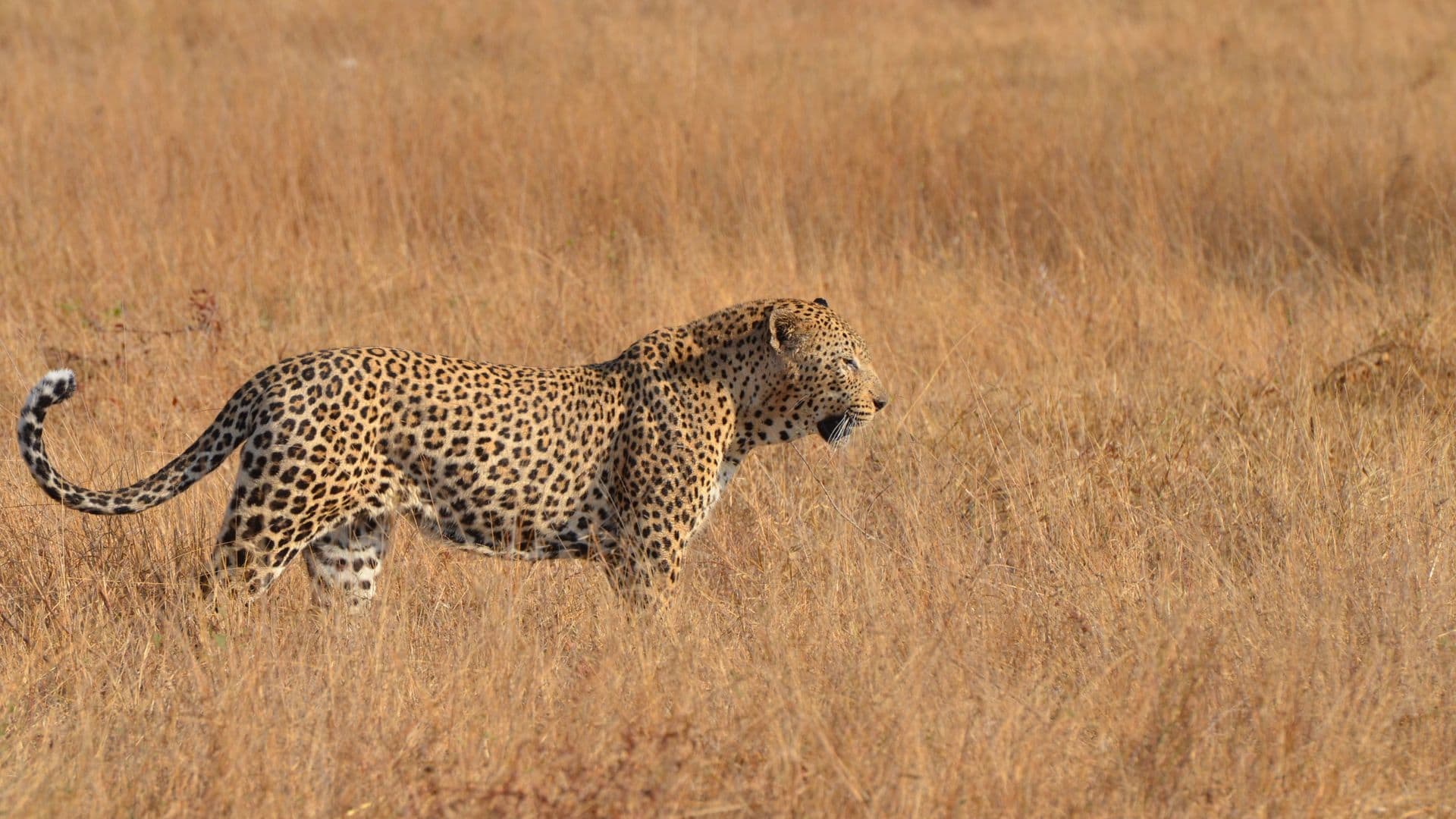
Away from the migration, the Serengeti delivers year-round. The central Seronera Valley is one of the best places on the continent to see leopards draped in the branches of sausage trees, and the resident lion prides of the Serengeti are some of the most photographed families in Africa. Cheetah thrive on the open plains; the rocky outcrops called kopjes are used as lookouts by lions and (when not in use) resting spots for hyenas. The Serengeti is also a UNESCO World Heritage Site and one of the oldest and most ecologically intact ecosystems on the planet.
Most visitors spend between three and five nights in the Serengeti, and we recommend at least three - there is so much to see that a shorter stay will only scratch the surface. Combine the central Serengeti (for leopards and lions) with the Ndutu area in the south (for calving) or the northern Serengeti (for crossings) for the most complete experience.
WILDLIFE & FAUNA
Key Species to Spot
Wildebeest
Around 1.5 million migrate annually - the largest mammal migration on Earth.
Lion
Serengeti holds one of the largest and most-studied lion populations, roughly 3,000 individuals.
Cheetah
The open plains make the Serengeti one of the best places in Africa to see cheetah in action.
Leopard
Commonly seen in the Seronera River valley, often resting in sausage trees.
African Elephant
Smaller herds than Tarangire, but bulls and family groups are widespread.
Spotted Hyena
The Serengeti has some of the largest hyena clans in Africa, with up to 80 individuals.
Black Rhinoceros
Critically endangered, but a small population persists in the western Serengeti.
Hippopotamus
Concentrated in the Grumeti and Mara Rivers, where dramatic crossings occur.
SEASONALITY
Best Time to Visit Serengeti National Park
Peak Season: January, February, March, July, August, September, October. Good shoulder months: June, November, December.
KEY EXPERIENCES
What to Experience Here
- Great Migration river crossings (July–October at the Mara River)
- Calving season in the southern Ndutu area (January–February)
- Predator viewing in the central Seronera Valley
- Grumeti River crossings (May–July)
- Hot air balloon safaris at dawn
- Maasai cultural visits in the surrounding Ngorongoro Conservation Area
- Kopjes (rocky outcrops) used as lion and cheetah lookouts
PRACTICAL INFO
Getting to Serengeti National Park
Fly into Kilimanjaro International Airport (JRO), then a 4–5 hour drive or 1-hour charter flight to one of several Serengeti airstrips (Kogatende, Seronera, Ndutu).