

Mount Meru
Climb Mount Meru
The Best Warm-Up for Kilimanjaro.
A 4-day trek to 4,566m: stunning views, wildlife encounters, and the perfect Kilimanjaro acclimatization climb.
Why Mount Meru
A shorter, quieter, more intimate climb - with all the reward.
Mount Meru is often overlooked in favor of its famous neighbor, and that is exactly why we love it. The trails are peaceful, the scenery changes every few hours, and the final knife-edge ridge is one of the most dramatic in Africa.
It is also one of the best acclimatization treks in the world for Kilimanjaro. Spending four days above 2,500m helps your body adjust before you attempt Kibo - significantly improving your summit chances.
Best Kilimanjaro Prep
A few days on Meru dramatically improves acclimatization and increases your chances of standing on Uhuru Peak.
Quiet Trails
Far fewer trekkers than Kilimanjaro. You get the mountain, the wildlife, and the ranger huts almost to yourself.
Dramatic Summit Ridge
The final ascent follows a narrow, exhilarating knife-edge ridge with sheer drops on both sides.
Wildlife From Day One
Giraffes, buffalo, warthogs, bushbucks, and black-and-white colobus monkeys are common on the lower slopes.
Wildlife on foot
Because the trek begins inside a national park.
Unlike most mountain climbs, Mount Meru starts deep inside Arusha National Park. From the first steps at Momella Gate, you are walking through an African wilderness.
Buffalo graze in the clearings, giraffes watch from the acacia tops, and troops of black-and-white colobus monkeys crash through the rainforest canopy. It is not uncommon to spot bushbucks, warthogs, and a dazzling variety of birds before you have even broken a sweat.
For safety, an armed ranger from the national park joins every trek - especially on the first day. This unique blend of hiking and safari is part of what makes Meru so special: you are literally walking through the wild before rising above it.

The scenery
Every Section of Meru Tells Its Own Story
From rainforest waterfalls to volcanic ridges, the mountain reveals a new world every few hours.
Lush Rainforest
The lower slopes are draped in dense montane forest, dripping with moss, echoing with birdsong, and broken by waterfalls after rain.
Heather & Moorland
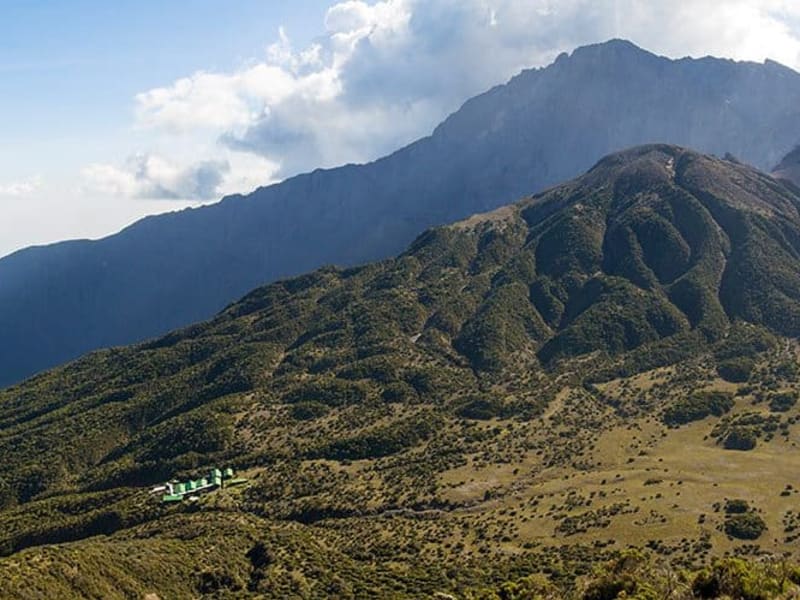
Higher up, the forest fades into open moorland colored by heather, wildflowers, and giant lobelias, with the crater walls rising ahead.
Volcanic Summit
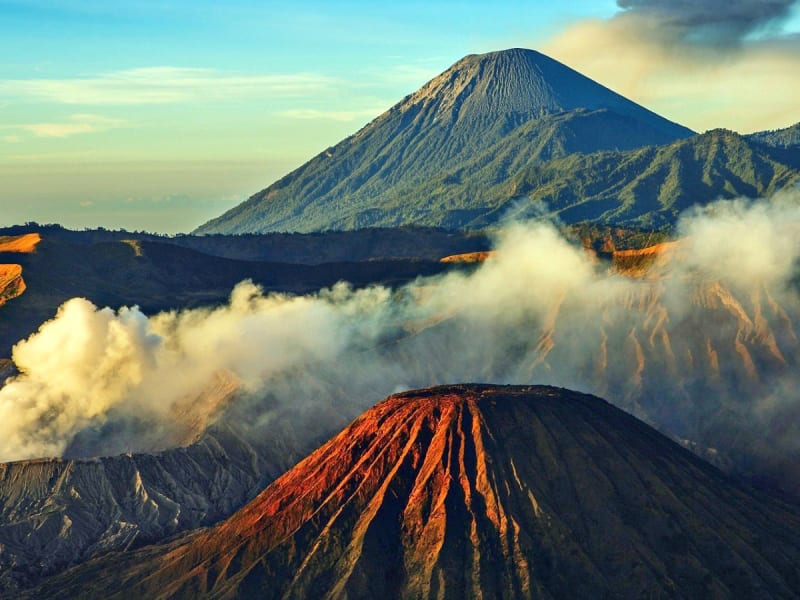
Near the top, volcanic ridges reveal dramatic views of the crater and ash cone. At Socialist Peak, sunrise spills across the plains with Kilimanjaro on the horizon.
The Momella route
4 Days to the Summit
The only route used to climb Mount Meru. It is well-maintained, hut-based, and passes through rainforest, moorland, and alpine desert before the dramatic final ridge.
Wildlife from day one
The trail starts inside Arusha National Park. Giraffe, buffalo, and colobus monkeys are common sights on the lower slopes. An armed ranger walks with you.
Comfortable mountain huts
Sleep in solar-lit huts at Miriakamba and Saddle with shared dining rooms. Hot meals prepared by your crew - no tents or damp mornings.
Knife-edge summit ridge
The final push follows a dramatic narrow ridgeline between the outer and inner crater. At sunrise, Kilimanjaro fills the eastern horizon.
Fewer crowds, more solitude
Meru sees a fraction of the crowds on Kilimanjaro. Most days you will share the trail with wildlife, not other trekking groups.
When to climb
Year-Round Trekking, Peak Dry Windows
Mount Meru can be climbed year-round, but the dry seasons from June to February offer the clearest skies and most stable hiking conditions. The long rains from mid-March to May make the forest trail slippery. December through February are particularly clear for photography.
Jan
Peak
Feb
Peak
Mar
Shoulder
Apr
Wet
May
Wet
Jun
Peak
Jul
Peak
Aug
Peak
Sep
Peak
Oct
Peak
Nov
Shoulder
Dec
Peak
Peak Season
June to February. Clear skies and the most stable hiking conditions on the mountain.
Shoulder Season
March and November. Generally good, with a rising chance of afternoon rain.
Off Season
April and May. The long rains make the forest trail slippery and views unreliable.
Preparation & safety
No Technical Experience Required
Mount Meru is a trekking peak, not a technical climb. With solid fitness and our experienced crew, you can focus entirely on the journey.
Train Lightly
Start light training about two months before your trip - long walks, day hikes with a daypack, and stair climbing all build great endurance.
Safety Standards
Every trek is led by professional Wilderness First Responder guides with oxygen, medical kits, and an armed national park ranger escort.
Mountain Huts
Stay in clean, solar-lit mountain huts (Miriakamba and Saddle Huts). Hot, nutritious meals are freshly cooked by our mountain chef every day.
Ready-made treks
Official Mount Meru Itineraries
4 days
4-Day Mount Meru Trekking
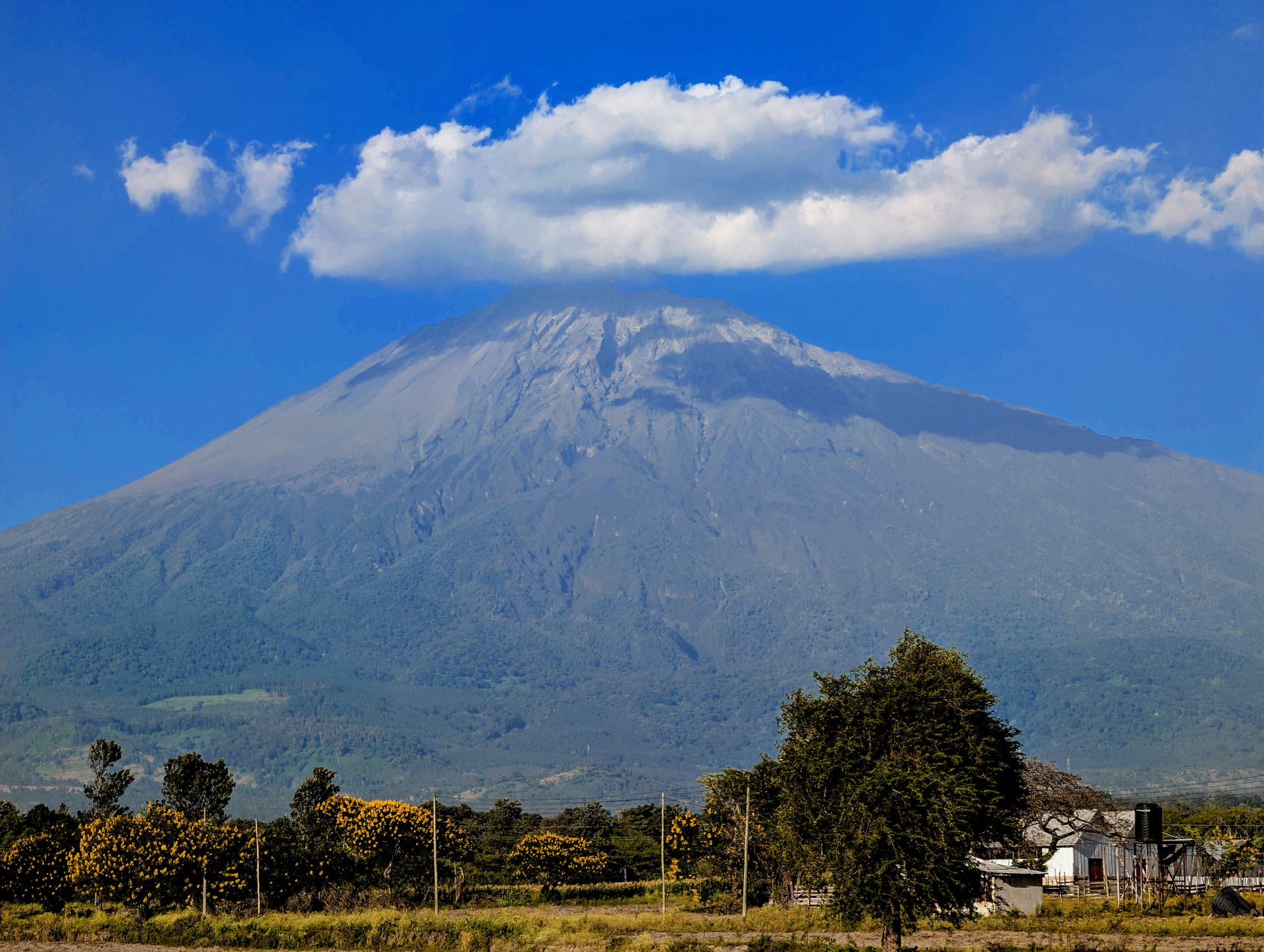
Tanzania's second-highest peak delivers a spectacular four-day trek through wildlife-rich forests, volcanic ridges, and a dramatic knife-edge summit.
View the route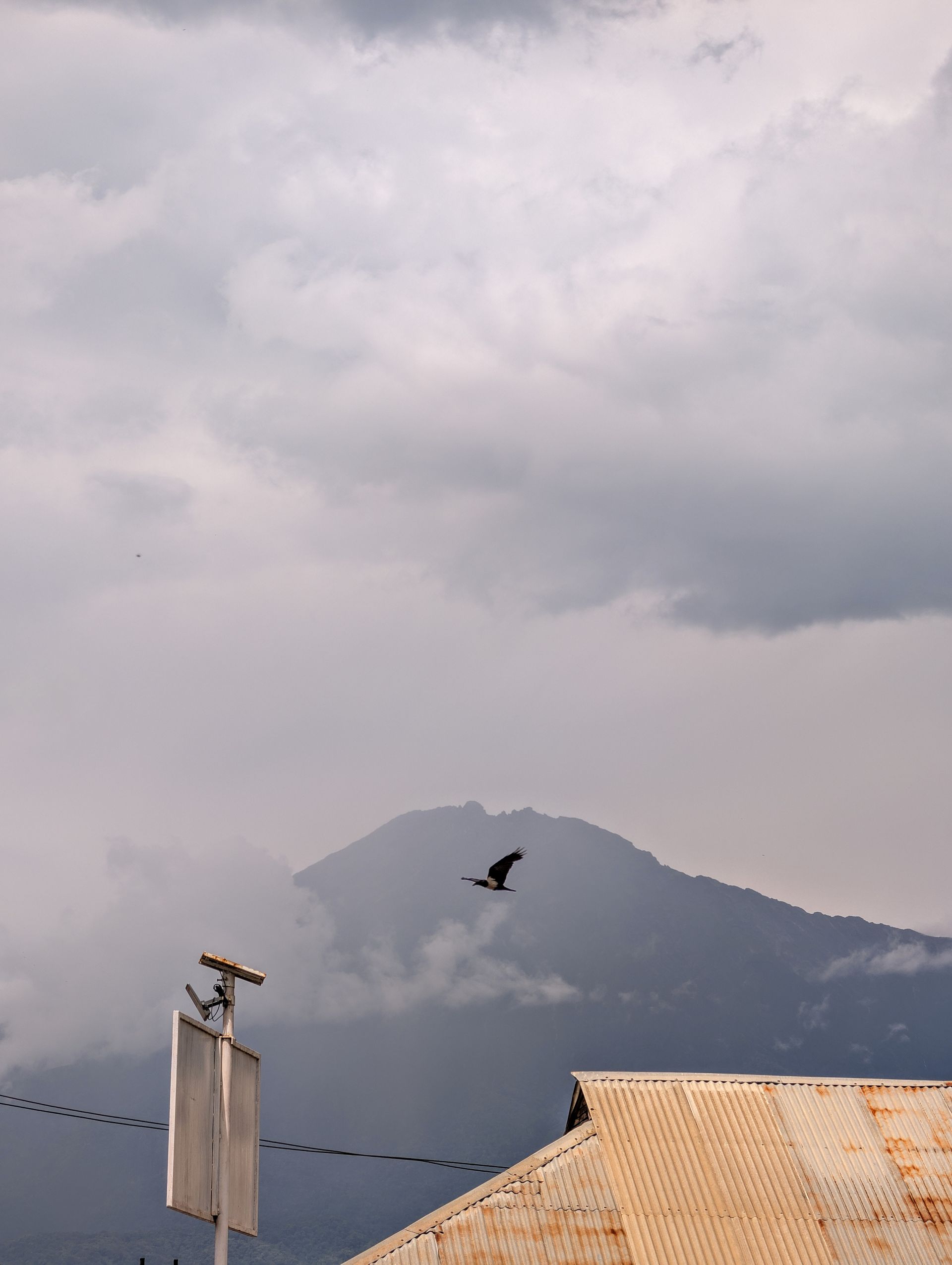
3 days
3-Day Mount Meru Climb
A fast-paced ascent of Tanzania's second-highest peak for experienced hikers: wildlife, volcanic scenery, and a sunrise summit in three demanding days.
View the routeCommon questions