5,895m · 7 official routes · Uhuru Peak
Climb Mount Kilimanjaro
The Roof of Africa Awaits.
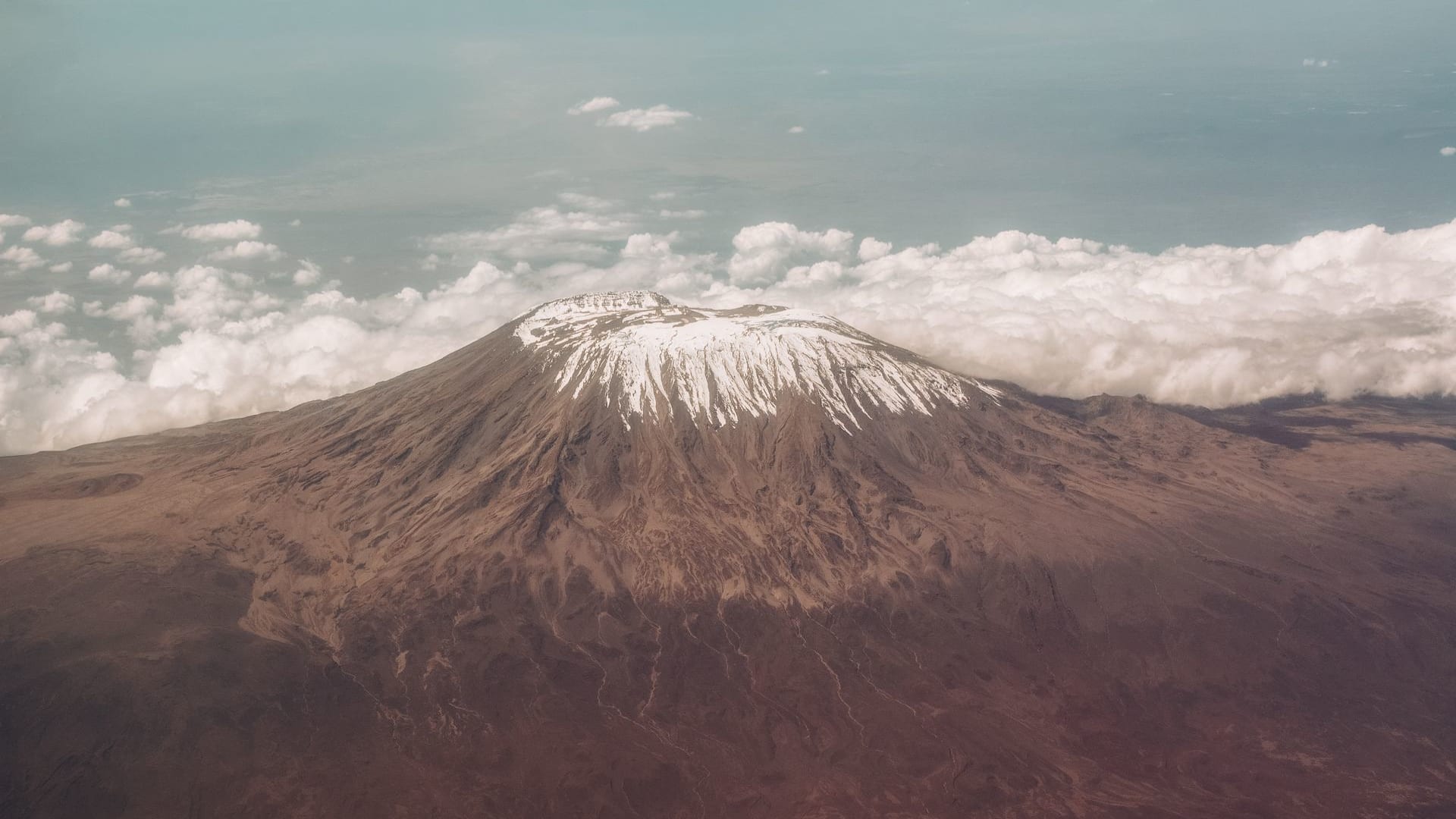
Mount Kilimanjaro stands alone: the highest point on the continent and the tallest free-standing mountain on Earth. No ropes, no technical climbing: just determination, solid preparation, and the right team beside you.
The Mountain
An icon that needs no introduction - yet rewards every question you ask of it.
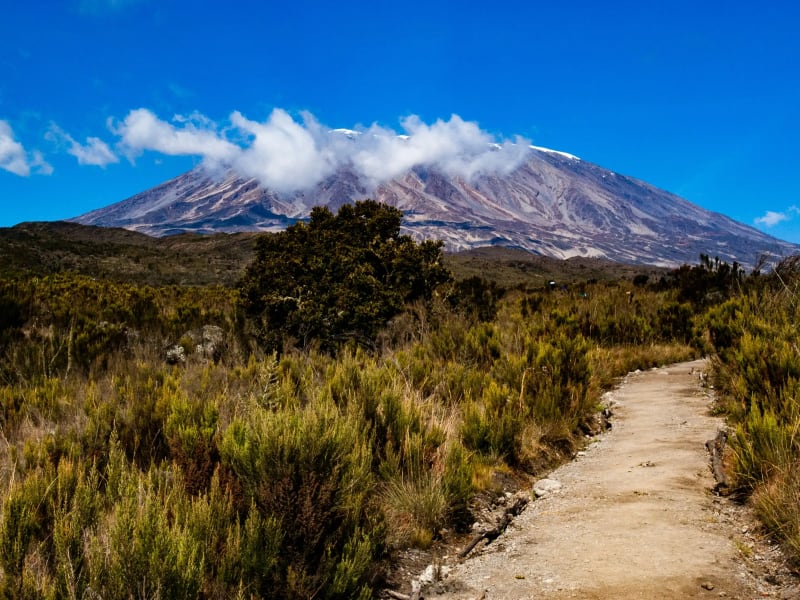
Rising from the East African savanna, Kilimanjaro is more than a mountain. It is a vertical journey through five distinct climate zones, from humid rainforest to arctic summit, each with its own character and challenges.
The beauty of climbing here is accessibility. You do not need prior mountaineering experience, ice axes, or rock-climbing skills. What you need is a steady level of fitness, a willingness to walk slowly, and a crew that knows how to keep you safe as the air thins.
We are an Arusha-based operator. Our guides, porters, and chefs live within sight of the mountain. When you climb with us, you are not passed to a third party. You are looked after by a team that treats every ascent as its own.
Uncompromising Safety
Altitude is the real challenge. We treat it that way.
The trails themselves are not extreme. What makes Kilimanjaro demanding is the thin air above 4,000 meters. That is why our entire operation is built around prevention, monitoring, and response, before a problem ever has a chance to develop.
How we manage altitude
- Twice-daily health checks: oxygen saturation, pulse, and hydration
- Wilderness First Responder certified guides trained in mountain rescue
- Portable oxygen and comprehensive medical kits on every climb
- Private portable toilets at every camp for hygiene and dignity
- Itineraries designed for gradual acclimatization, not speed
- "Climb high, sleep low" built into each day where possible
Daily Vitals
Your guide records oxygen levels, pulse, and symptoms every morning and evening.
Rescue Ready
Certified guides carry oxygen, a stretcher, and communicate with rescue services.
Clean Facilities
Private portable chemical toilets at every camp so you are never relying on shared latrines.
Pole Pole Pace
Slow walking, rest, and generous itineraries give your body time to adapt.
Is It For You?
More accessible than you think - but never to be underestimated.
Most people are surprised to learn that Kilimanjaro is open to first-time trekkers. The paths are walking trails, not technical climbs. The real test is the altitude, which affects everyone differently regardless of fitness.
A typical trekking day lasts 5 to 8 hours. The summit push is longer, usually 10 to 12 hours from midnight to sunrise. If you can comfortably hike 10–15 kilometers or jog a few kilometers without strain, you are in the right zone to start training.
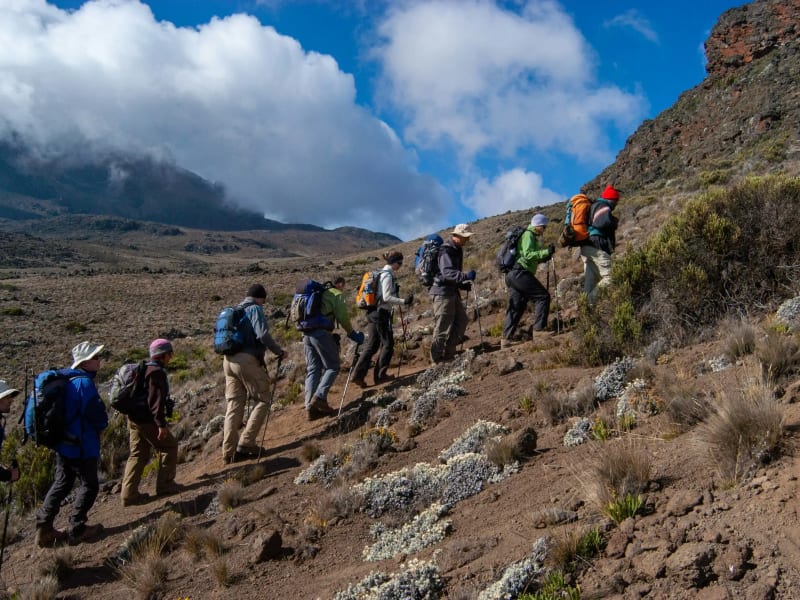
What a Standard Climb Feels Like
Daily Walking Time
5–8 hours on most days, with the final summit night stretching to 10–12 hours.
Altitude Gain
You start near 1,800m and reach 5,895m. The key is a slow, staged ascent.
Technical Difficulty
None. No ropes, crampons, or rock climbing. It is a high-altitude trek from start to finish.
Best Success Strategy
Choose a 7+ day route, train consistently for 2–3 months, and trust your guide’s pace.
What's Included
Everything That Matters, Nothing Hidden
From the moment you land to the moment you celebrate, we handle the logistics so you can focus on the climb.
Airport Transfers
Pick-up and drop-off in Moshi or Arusha, plus 4×4 transport to your route gate.
Park Fees & Permits
All Kilimanjaro National Park entry, rescue, and camping fees are covered.
Quality Camping Gear
4-season mountain tents, sleeping mats, private dining tent, and portable toilet.
All Meals on Trek
Three hot meals daily plus snacks and hot drinks. Dietary requirements happily accommodated.
Full Mountain Crew
Professional lead guide, assistant guides, chef, and porters - all employed directly by us.
Safety Equipment
Oxygen cylinder, pulse oximeter, first-aid kit, and emergency communication.
Pre-Climb Briefing
Gear check, route overview, and Q&A before you leave town.
Summit Certificate
Official KINAPA certificate for every successful trekker.
Not Included
International flights, Tanzania visa, travel insurance, personal trekking gear, sleeping bag (rentable locally), and crew gratuities. We share a transparent tipping guide with every booking.
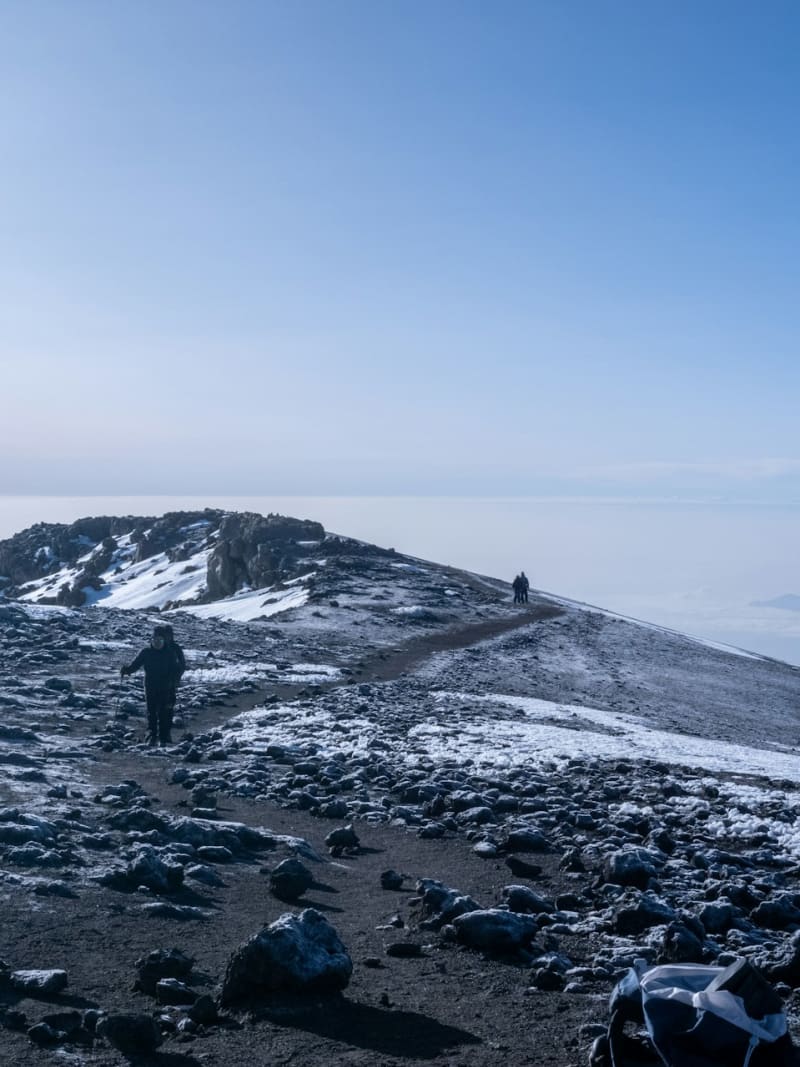
"We grew up walked these trails, and know the bush by heart."
A Fair Climb for You, and for Everyone Who Makes It Possible
We pay our porters and guides above-industry wages and provide three hot meals daily, warm gear, and strict safety protocols.
Fair Crew Wages
Crew members are paid above local industry standards, on time, every single climb.
Leave No Trace Commitment
Refillable water systems, reusable packaging, and all waste carried off the mountain.
Proper Warm Equipment
Quality 4-season tents, clothing allowances, and proper sleeping quarters for all crew members.
Safety-First Pacing
Generous 7–8 day route options designed for maximum acclimatization and high summit success.
The Routes
Seven Paths. One Summit.
Every route reaches Uhuru Peak. The difference is scenery, pace, acclimatization, and how much of the mountain you get to yourself.
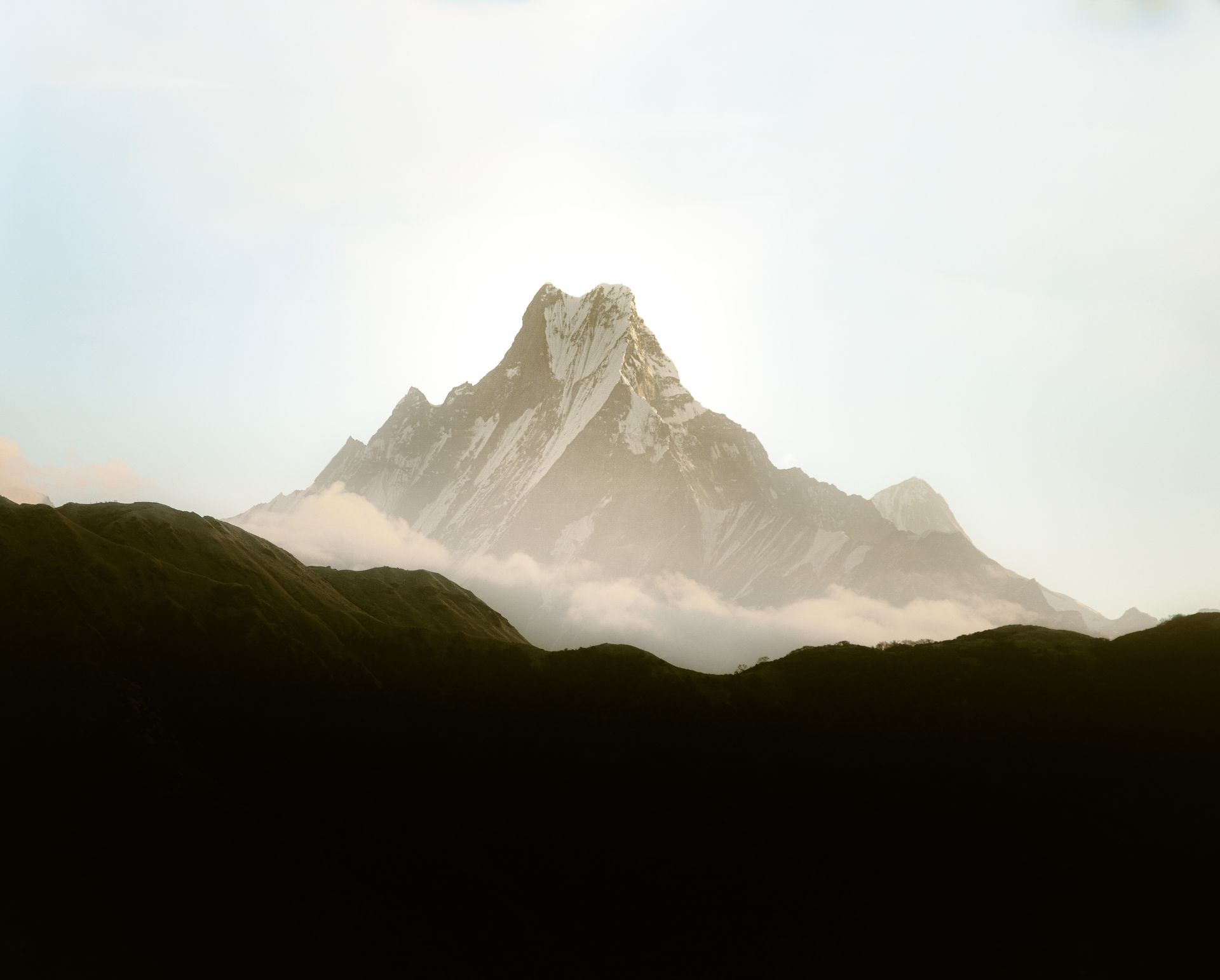
8 days
Lemosho Route
The best acclimatization profile and most beautiful approach
View the route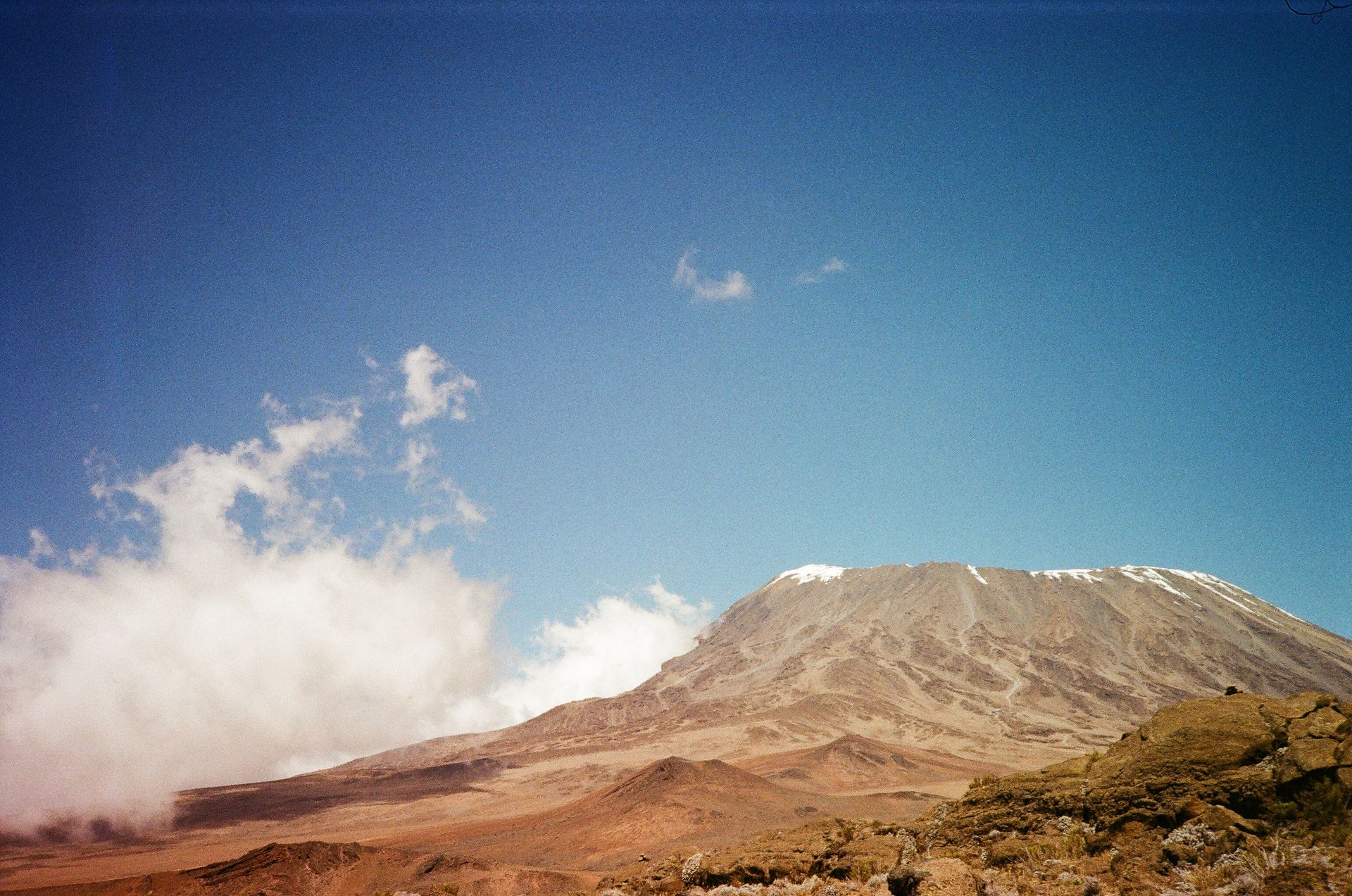
7 days
Machame Route
The Whiskey Route, the most scenic tented climb
View the route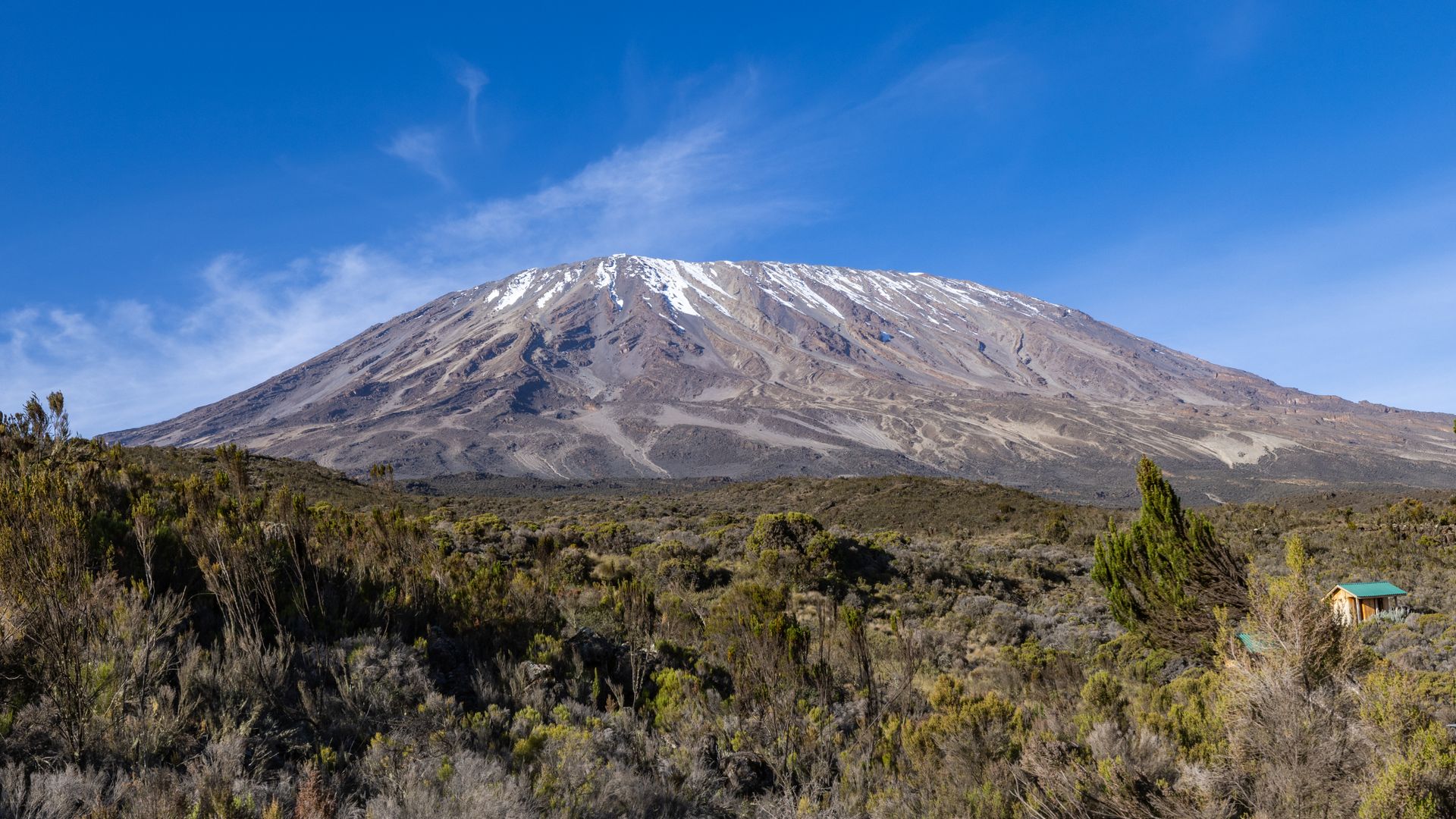
6 days
Marangu Route
The Coca-Cola Route: gentle slopes, hut-to-hut comfort
View the route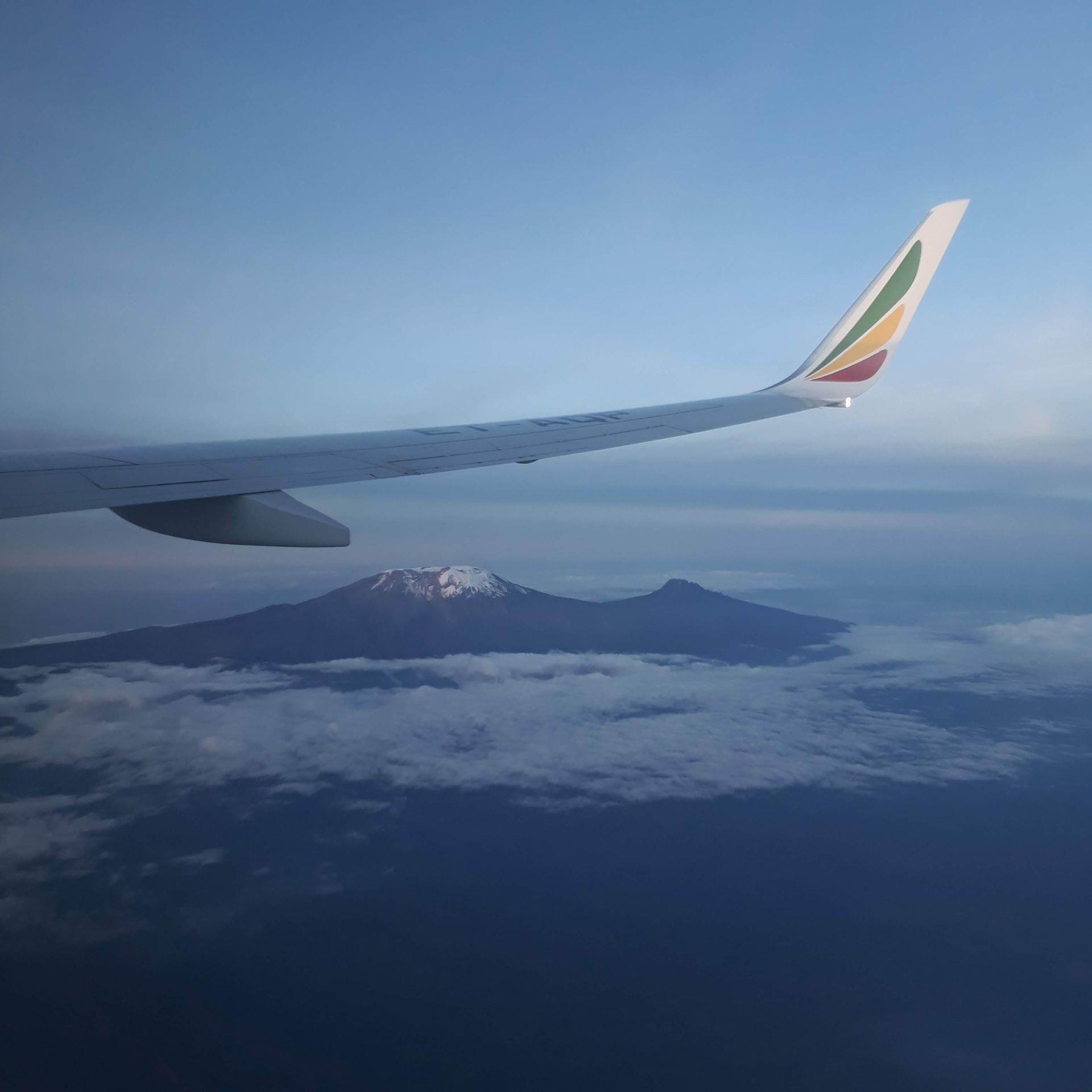
7 days
Rongai Route
The only northern approach: quieter, drier, good in rainy season
View the route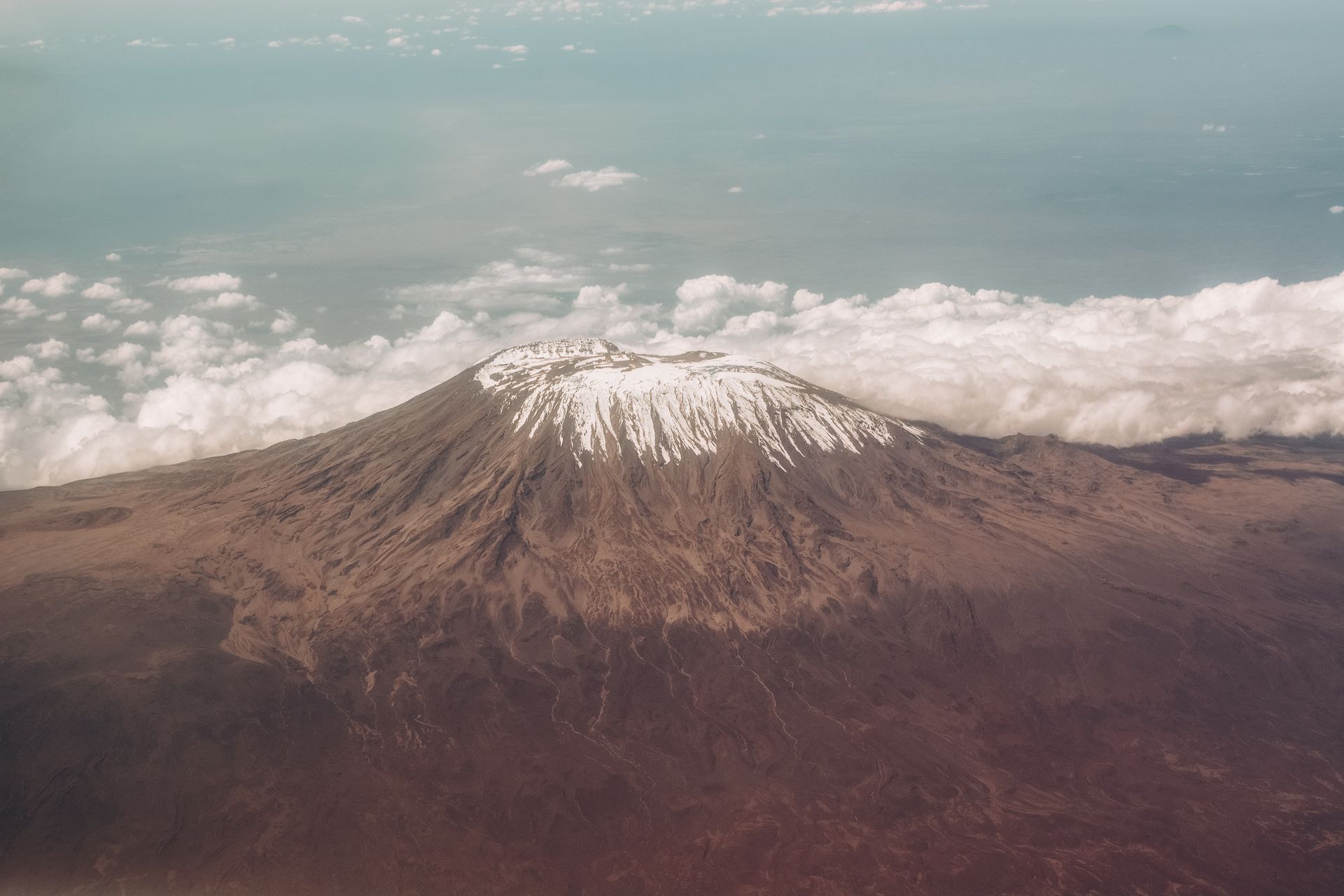
9 days
Northern Circuit Route
The longest route, the highest success rate, the newest path
View the route6 days
Umbwe Route
The steepest, hardest route, for experienced climbers only
View the route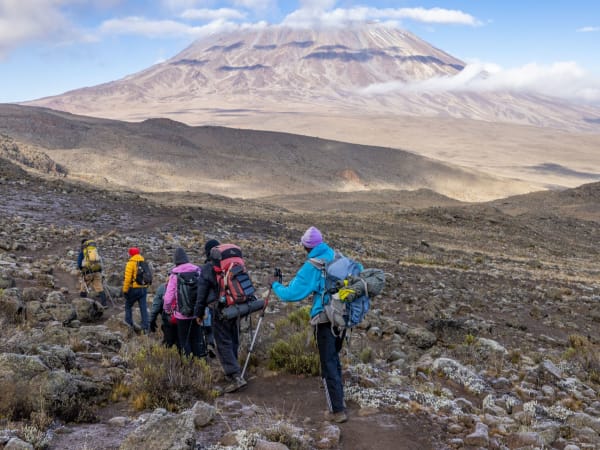
7 days
Shira Route
Lemosho's high-altitude variant - quiet start on the plateau
View the routeWhen to Climb
Two Dry Windows, Each With Its Own Character
Kilimanjaro can be climbed year-round, but the most stable weather falls between January and mid-March, and again from June to October. The June–October window is the driest and busiest. December and March are quieter shoulder months with excellent conditions.
Jan
Peak
Feb
Peak
Mar
Shoulder
Apr
Wet
May
Wet
Jun
Peak
Jul
Peak
Aug
Peak
Sep
Peak
Oct
Peak
Nov
Wet
Dec
Shoulder
Peak Season
January to mid-March and June to October. Driest trails and the clearest summit views.
Shoulder Season
March and December. Quieter routes with generally good conditions.
Off Season
April, May and November. Long rains make the trails wet and visibility poor.
Common Questions