
7-Day Tanzania Birding Safari
Tanzania has recorded over 1,100 bird species - this safari chases the endemics, the migrants, and the rare ones.
TOUR OVERVIEW
Tanzania is one of Africa's premier birding destinations, with over 1,100 recorded species - more than almost any other country on the continent. This seven-day safari is designed for serious birders, with a specialist guide who knows where to find the endemics (like the Pemba Sunbird and the Usambara Weaver), the migrants (over 200 Palearctic species visit in the northern winter), and the rare ones (like the Sokoke Scops Owl).
Over 1,100 species. One of Africa’s most diverse avifaunas. A specialist guide who knows where to find them all.
KEY EXPERIENCES
Tour Highlights
DAILY SCHEDULE
Day-by-Day Itinerary
Day 01Arrival in Arusha and Transfer to Lake Manyara
Arrival in Arusha and Transfer to Lake Manyara
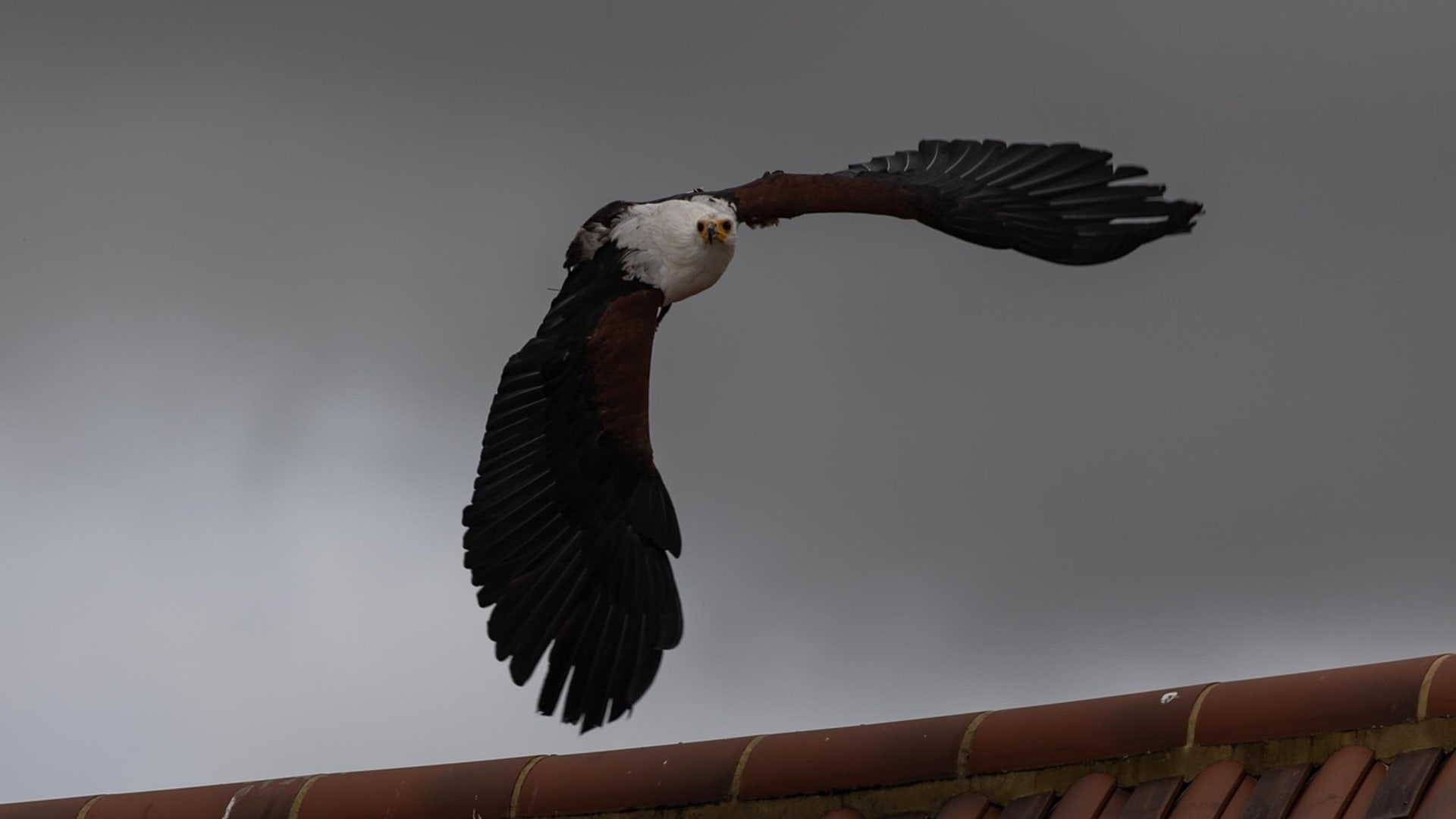
Met at Kilimanjaro International and driven straight west to Lake Manyara, skipping a night in Arusha so that you are birding by mid-afternoon. The lakeshore makes the introduction: flamingo in the shallows in their thousands, African fish eagle calling from the acacias, and migrant waders working the mudflats depending on the season.
Manyara has recorded over 400 species inside a park you can cross in an afternoon, a density explained entirely by habitat. In the space of a few kilometres you pass from groundwater forest to acacia woodland to floodplain to open soda lake, and each of those holds a completely different list.
Day 02Full Day Birding in Lake Manyara
Full Day Birding in Lake Manyara
A full day working the park properly, splitting your time between the groundwater forest at the gate and the lakeshore beyond it. Targets include the Manyara sunbird, African fish eagle, goliath heron and southern ground hornbill, alongside the several hundred other species that use the park across a year.
The groundwater forest is the special habitat here. Fed by springs at the base of the escarpment rather than by rainfall, it stays green year-round and holds forest species (silvery-cheeked hornbill, crowned eagle, a range of greenbuls), that you will not find in the drier country to come. Go slowly and listen more than you look.
Day 03Lake Manyara to Tarangire
Lake Manyara to Tarangire
A morning drive south to Tarangire, with the afternoon in the park to begin working its very long list. The yellow-collared lovebird is the local speciality, a Tanzanian near-endemic that gathers noisily in the baobabs, and kori bustard walk the open ground, the heaviest flying birds in the world.
Tarangire has recorded over 550 species, the highest count of any park on the northern circuit. The reason is water: the river runs year-round through otherwise dry country, and the swamps in the south stay green long after everything else has burned off, concentrating both resident and migrant birds into a small area.
Day 04Full Day Birding in Tarangire
Full Day Birding in Tarangire
A full day covering the park's range of habitat: baobab savannah, riverine forest, and the southern swamps that hold water deep into the dry season. Targets include the ashy starling, a Tanzanian endemic found almost nowhere else, along with great white pelican, saddle-billed stork and kori bustard.
The swamps are worth the drive south. Silale and the surrounding marsh hold enormous numbers of waterbirds when the rest of the park is dry, and the concentration of raptors around them (bateleur, martial eagle, several harriers), is as good as anywhere in the country. Take lunch out and stay through the middle of the day.
Day 05Tarangire to Ngorongoro Crater Rim
Tarangire to Ngorongoro Crater Rim
A morning drive up into the Ngorongoro Highlands, gaining well over a thousand metres and moving into an entirely different avifauna. The afternoon is spent in the montane forest along the crater rim, where the endemic forest buzzard and the extraordinary silvery-cheeked hornbill are both possible.
Altitude changes everything for a birder. At 2,300 metres you are in Afromontane forest, a habitat that behaves like an island: its species separated from other highland forests by lowland they cannot cross, which is why so many are localised. Hunter's cisticola, white-eyed slaty flycatcher and Schalow's turaco are all realistic here.
Day 06Ngorongoro Crater Safari and Birding
Ngorongoro Crater Safari and Birding
A descent into the crater for a half-day of birding and game viewing on the floor. The crater has recorded over 500 species and holds several thousand flamingo on Lake Magadi in good conditions, along with kori bustard, ostrich and crowned crane. The bearded vulture, or lammergeier, is the great prize, nesting on the crater walls and only occasionally seen. Picnic lunch by the hippo pool.
Birding inside the crater is unusual because you cannot leave the vehicle, which puts a premium on a good guide and a steady scope. The compensation is that open ground makes the large terrestrial species (bustards, cranes, secretary birds), far easier to work than they would be in bush.
Day 07Return to Arusha & Departure
Return to Arusha & Departure
A last morning walk in the highland forest, on foot and at the pace birding actually requires, before the drive back east to Arusha by early afternoon. From there it is the airport or your onward transfer.
A week covering lake, savannah, swamp and montane forest is enough to build a serious trip list: several hundred species is a reasonable expectation, with a handful of Tanzanian endemics among them. Northern Tanzania's strength for birders is not any single site but how quickly you can move between wholly different habitats.
What's Included
- •All airport transfers in Tanzania
- •Specialist birding guide (African Bird Club member)
- •4x4 safari vehicle with pop-up roof
- •All park entrance fees and crater service fee
- •Full board accommodation as specified
- •Bird checklist and field guide for your records
- •Flying Doctor emergency evacuation insurance
Not Included
- •International flights to and from Tanzania
- •Tanzania visa fees
- •Travel insurance
- •Tips for guide and lodge staff
- •Personal expenses