The only northern approach: quieter, drier, good in rainy season
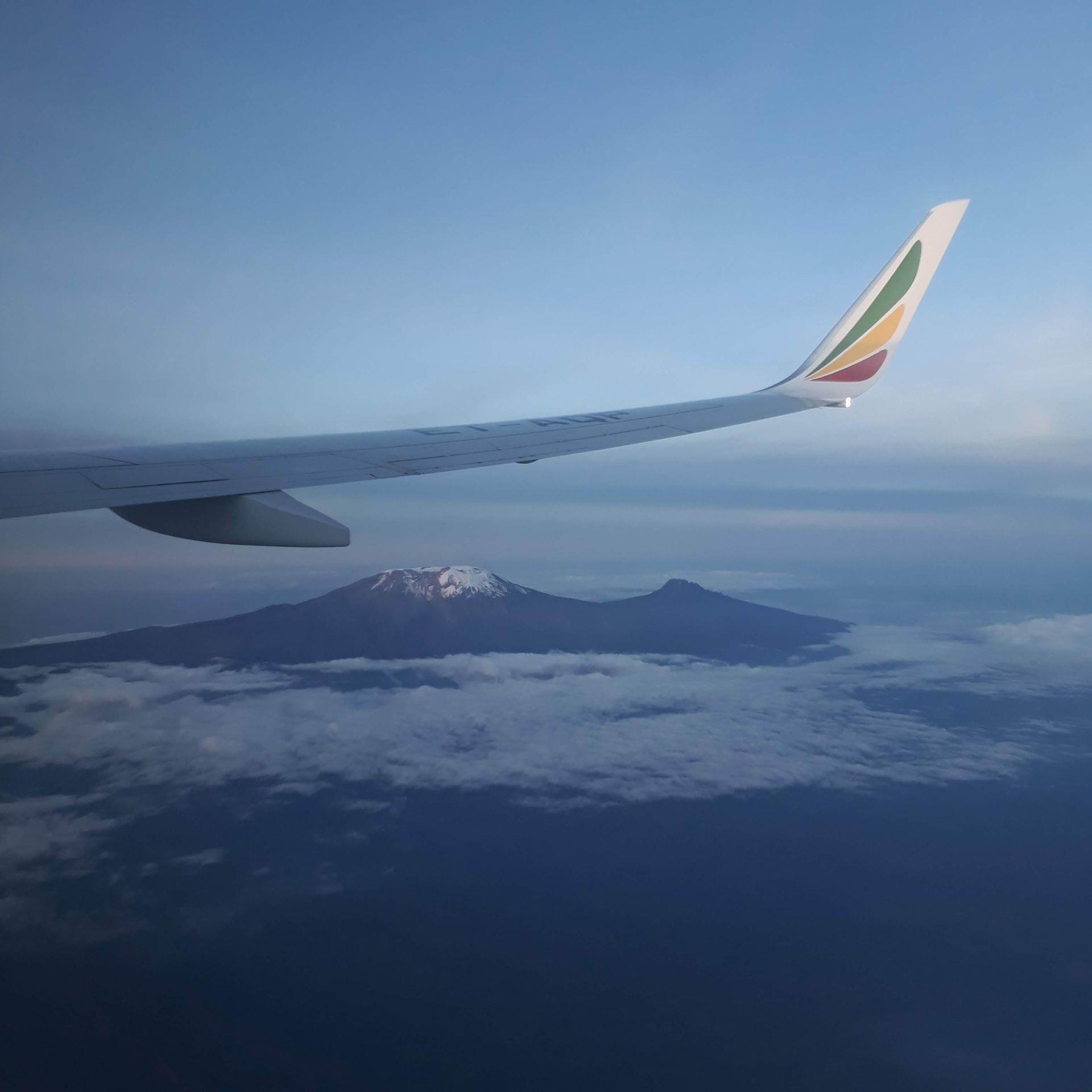
Rongai Route
Rongai is the only route that approaches Kilimanjaro from the north, near the Kenyan border. It is the driest route on the mountain, the quietest of the main paths, and the best choice if you are climbing during the rainy seasons (April, May, November). The scenery is less dramatic than Lemosho or Machame, but the trail is gentler and the crowds are thinner.
Duration
7 days
Success Rate
85%
Difficulty
Challenging
Scenery
Traffic
Quiet
Accommodation
tents
ABOUT THIS ROUTE
The only northern approach: quieter, drier, good in rainy season
Rongai is the only route that approaches Kilimanjaro from the north, near the Kenyan border. It is the driest route on the mountain, the quietest of the main paths, and the best choice if you are climbing during the rainy seasons (April, May, November). The scenery is less dramatic than Lemosho or Machame, but the trail is gentler and the crowds are thinner.
Rongai starts near the village of Nalemuru, a short drive from the Kenyan border. The first two days are through pine forest and remote moorland, with the mountain's north face dominating the skyline. From the third day the route joins the Marangu path near Kibo, and the final summit push follows the classic southeastern approach to Uhuru.
Rongai is the right route for climbers who want a quieter, drier path - particularly those climbing outside the main June–October and January–February windows. The northern approach is less dramatic than Lemosho, but the trail is gentle, the camps are excellent, and the sense of solitude is hard to find elsewhere on the mountain.
WHY THIS ROUTE
What Makes Rongai Route Stand Out
The only route approaching from the north: different scenery, fewer climbers
The driest route on the mountain, making it the best choice for rainy season climbs
Gently graded trail, considered one of the easier tented routes for first-timers
Wildlife sightings on the lower slopes: colobus monkeys, antelope, and occasionally elephant
Tented camping at scenic camps, with the option of a hot shower at the final camp on the descent
Excellent guide-and-crew ratio for the quieter northern side
SAFETY & COMFORT
The Details That Keep You Moving Upward
Altitude is the real test on Kilimanjaro. We stack the odds in your favor with careful pacing, daily health checks, and gear you can rely on.
Daily Health Checks
Oxygen saturation, pulse, and symptom reviews every morning and evening.
Rescue-Ready Crew
Wilderness First Responder guides with oxygen, stretcher, and emergency comms.
Private Toilets
Portable camp toilets at every stop for hygiene, privacy, and dignity.
Pole Pole Pacing
Slow walking, rest days, and sleep-low ascents built into the itinerary.
PREPARE FOR SUCCESS
Your Part of the Partnership
We handle permits, logistics, crew, and meals. Your job is to arrive fit, well-equipped, and ready to walk slowly. The better you prepare, the more you will enjoy every camp and every sunrise.
Train over 8–12 weeks
Build endurance with hiking, cycling, or swimming. Add a weighted daypack in the final month.
Break in your boots
Blisters end more treks than fatigue. Wear your trekking boots on long walks before you fly.
Practice layering
Summit night can drop below -15°C. Learn to add and remove layers quickly.
Trust the team
Your guide sets the pace. Pole pole is not slow - it is the fastest way to the top.

What's Included
- All park, rescue and camping fees
- Professional English-speaking mountain guide and full support crew (porters, chef)
- Quality 4-season mountain tents (sleeping 2)
- Three meals daily plus hot drinks on the trek
- Sleeping mat (foam). Bring your own sleeping bag or rent in Moshi
- 4×4 transfer from Moshi/Arusha to Rongai Gate
- Airport transfers in Moshi/Arusha
- Pre-climb briefing and gear check
- Summit certificate (on successful climb)
- Oxygen cylinder and pulse oximeter for emergencies
Not Included
- International flights and travel insurance
- Tips for guides and crew (recommended $300–$400 per climber)
- Sleeping bag (rentable in Moshi from $25)
- Personal climbing gear and warm clothing
- Extra snacks, energy bars and personal drinks
- Tanzania visa fees
COMPARE ROUTES
Other Kilimanjaro Routes
Lemosho Route
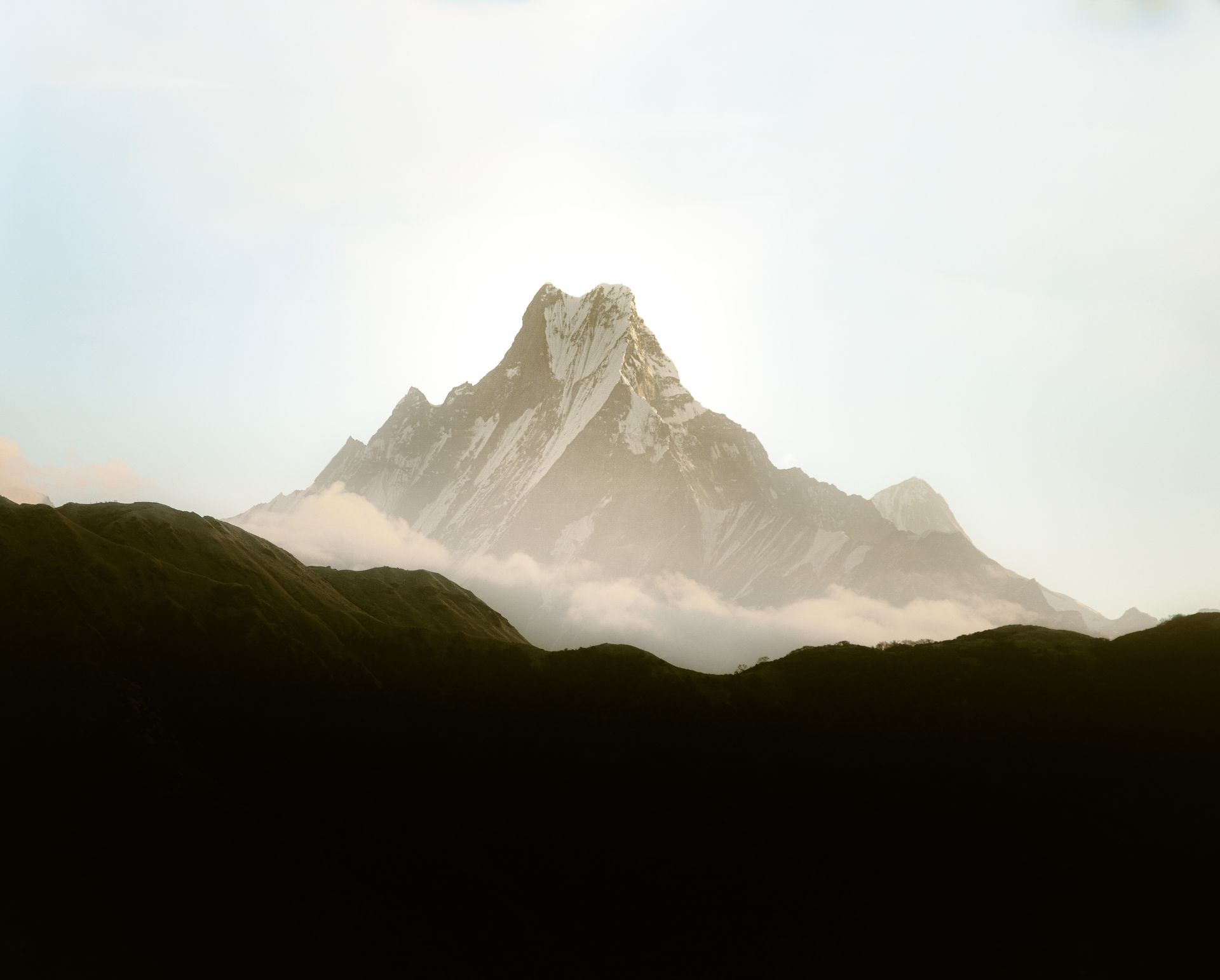
Lemosho is widely considered the finest route on Kilimanjaro. A long, gentle western approach through remote rainforest and the vast Shira Plateau gives the best acclimatization profile on the mountain, the highest published success rates, and scenery that varies more than any other path. The 8-day version is the gold standard for first-time summit hopefuls.
Machame Route
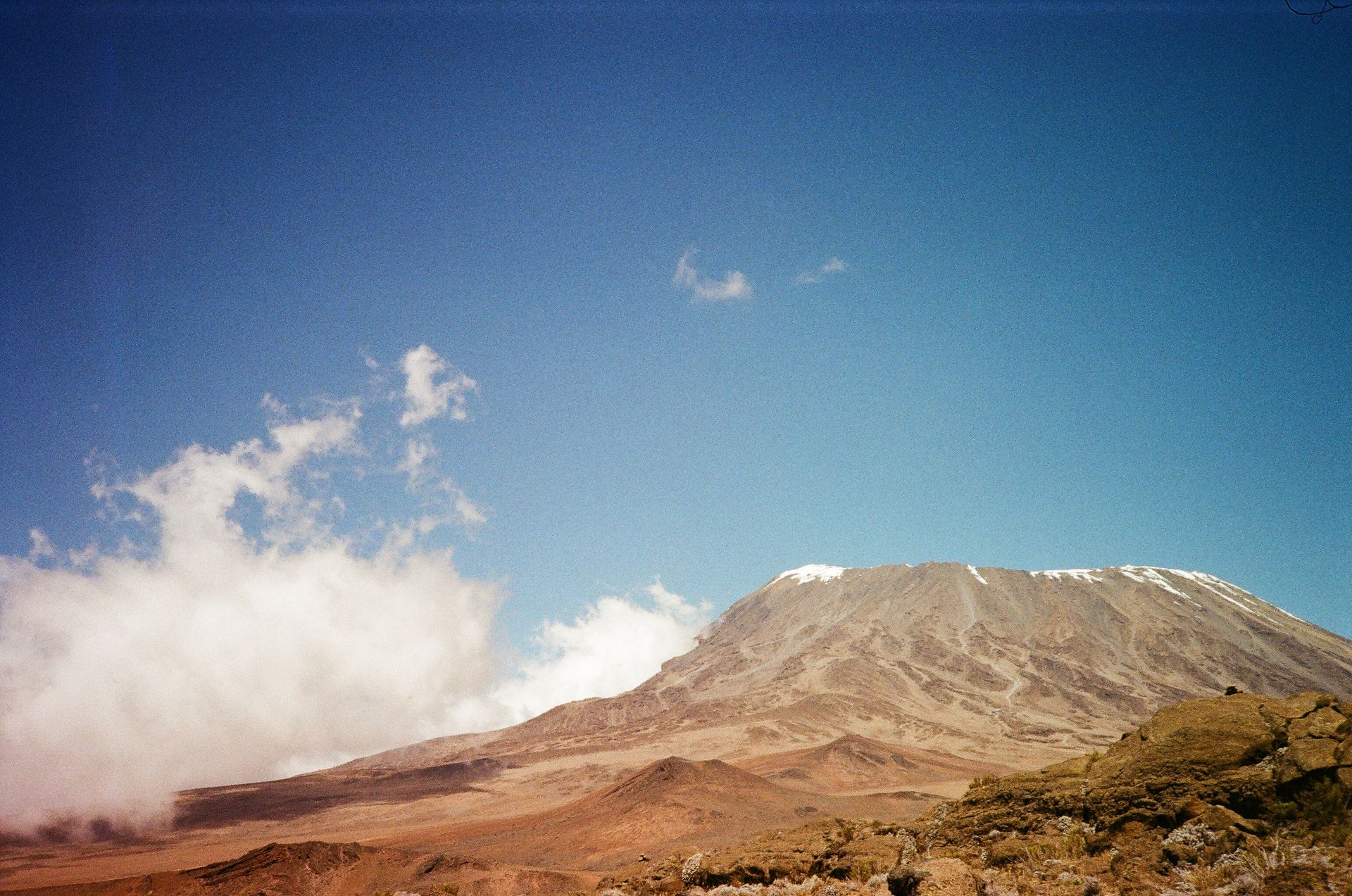
Our most popular tented route and the choice of repeat climbers. A dramatic profile that climbs high early (Barranco Wall) for excellent acclimatization, then rewards you with the most varied scenery on the mountain: rainforest, moorland, the Shira Plateau, the Lava Tower, and finally the Stella Point sunrise approach to Uhuru.
Marangu Route
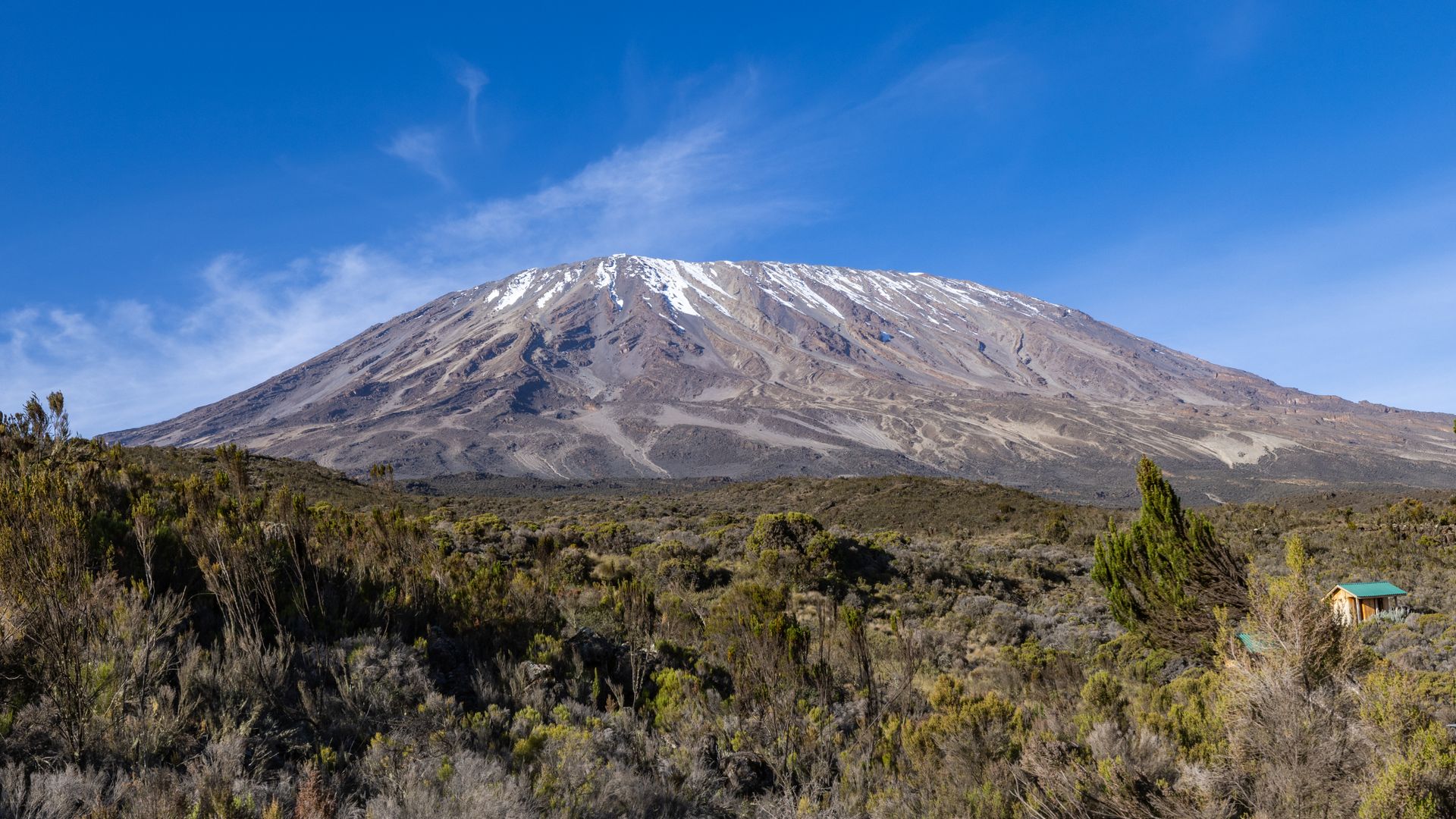
The oldest and most established path up Kilimanjaro, with the only hut-based accommodation on the mountain. A gradual profile and shorter duration make it accessible to fit first-timers, while still rewarding you with a sunrise summit on the roof of Africa.
Choose your trek
Ready-made Rongai Route itineraries
Ready to climb?
Plan your Rongai Route climb
Tell us your dates and group size. We'll send a full quote within 24 hours, including gear list, sample schedule, and what to expect on the mountain.